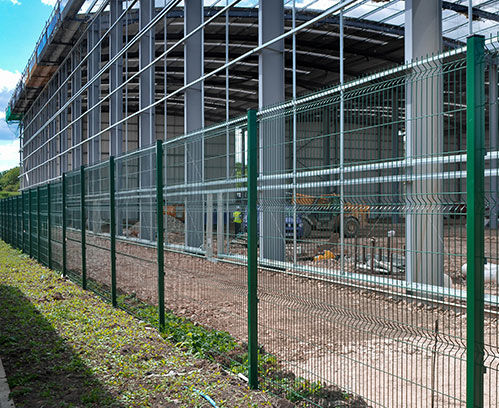
Best Time To Install A Fence In Surrey: Save Money And Beat The Rush

If you want a new fence in 2026, your timing matters. Prices ebb and flow with demand, ground conditions change through the seasons, and installer availability can swing from next week to next month. With a little planning, you can secure better dates, smoother installs and sensible savings.
This guide breaks down winter, spring, summer and autumn in practical terms: cost expectations, lead times, soil conditions and plant growth. You will also find tips to prep your garden for faster 1–2 day installs, advice on timing gates and pergolas with landscaping, and when temporary fencing or site hoarding makes sense during renovations.
Ready to get ahead of peak season? Book a free, no-obligation survey now and choose your slot before diaries fill.
The big question: when is the best time to install a fence?
There is no single perfect month for every property. The best time balances price, availability and site conditions for your goals.
If your priority is value and flexible dates, late autumn through early spring often works best.
If you want instant garden privacy before outdoor season, book early spring to install by April or May.
For commercial sites, off-peak months reduce disruption and make coordination with other trades easier.
In Surrey, early spring bookings are particularly smart. You can get pre-peak pricing and availability while avoiding the heaviest winter rain. Plants are still dormant, so access is simpler and there is less risk of trampling beds that will soon be in growth.
Winter installs (December to February)
Price and availability: Demand typically dips after the holidays. You can often secure shorter lead times and fair pricing. Winter is also when storm damage brings urgent repair work, so rapid response teams may prioritise make-safe jobs first.
Ground conditions: Cold, wet soil can slow post setting and access. Experienced teams adapt mix ratios and footing depth to suit saturated ground. Expect occasional weather delays if frost or persistent rain hits.
Plant growth: Dormant beds and bare hedges make access easy. Less risk of damaging established planting.
Good for: Replacing storm-damaged lines, upgrading to closeboard for privacy, and chain link fencing for practical perimeter security before spring.
Tip: If you have a failure that compromises safety, enquire about emergency support or temporary protection. For urgent repairs, see our guidance on rapid assistance via the page covering guildford emergency fence repair.
Early to mid spring (March to April)
Price and availability: This is the best window for many Surrey homeowners. Installers are not yet at peak capacity, and weather is improving. Booking now secures dates before the rush.
Ground conditions: Soil is workable. Footings set reliably between showers and temperatures are kinder on timber.
Plant growth: Perennials are just emerging, climbers are not yet sprawling and lawns recover quickly from foot traffic.
Good for: Full garden refreshes, closeboard or horizontal slatted fencing ahead of summer, and integrating trellis panels ready for climbers.
Why early-spring bookings make sense: you can complete the fence first, then schedule planting, turfing, and hardscape works to follow in sequence. That avoids working around new beds or fresh turf.
Late spring and summer (May to August)
Price and availability: This is peak season. Lead times are longer and weekend slots go fast. Pricing is steady but deals are rarer because demand is high.
Ground conditions: Dry, stable and efficient. Excavation and concrete work are fast.
Plant growth: Lush borders slow access and can be easily scuffed. Careful protection and pruning may be needed.
Good for: Properties where timelines demand a summer finish, commercial sites aligning with shutdowns, and garden gates or driveway gates tied to completed paths or resin.
If you need a summer install, book in spring. For nearby service areas, you can explore options through pages focused on fencing in Woking or Guildford.
Autumn (September to November)
Price and availability: Demand cools after school holidays. You can often find good availability from late September onward.
Ground conditions: Warm soil and consistent moisture are excellent for footings. Fewer heatwaves reduce timber movement during install.
Plant growth: Plants begin to die back, improving access without the mud risks of mid-winter.
Good for: Value-conscious projects before winter, chain link fencing for commercial perimeters, and pre-winter repairs to avoid storm season headaches.
Is there a cheapest time of year?
Typically, late autumn to early spring offers the best value. Installers have more diary flexibility, material supply is stable, and you can avoid peak-season premiums. That said, prices always depend on material choice, access, disposal needs and scope. Closeboard and lap panel systems remain cost-effective year-round, while cedar batten designs command a premium because of material costs and bespoke detailing.
If you are weighing panel types, see examples of closeboard fence work in our gallery to understand style and robustness.
Preparing your garden for faster 1–2 day installs
Most residential fence lines can be completed within 1–2 days once work begins, depending on length and complexity. You can help things run smoothly:
Clear 1 to 1.5 metres along the fence line by moving pots, furniture and toys.
Trim or tie back shrubs and climbers; mark special plants you want preserved.
Unlock side access and secure pets; let neighbours know if shared boundaries are affected.
Identify underground services where possible.
Decide on style, height and finish in advance. For privacy and durability, closeboard fencing is a solid choice; for a modern look, consider horizontal slats or cedar.
Timing gates, trellis and pergolas with landscaping
Garden gates and small entrance gates usually fit within half a day to a day once posts are set. Bespoke driveway gates or automation add time for fabrication and commissioning.
Install fences and gate posts before new paving or lawns to avoid cuts in fresh surfaces.
Add trellis fencing or decorative trellis after the main line is set so heights and fixings are perfect for climbers.
Build pergolas before planting to protect young beds and avoid rework. A pergola can share post lines with fencing if designed together at survey stage.
When temporary fencing or site hoarding helps
During renovations or after storm damage, temporary fencing and site hoarding maintain safety, privacy and security while permanent works are scheduled. They are useful when:
Boundaries are open during building works.
You are waiting on planning, materials or groundworks.
A fallen fence creates a security or pet-safety risk.
Our teams supply, install and remove temporary solutions, then complete permanent fencing once the site is ready.
Buying panels vs building in place: what really costs less?
Prefabricated lap fence panels: Usually the most economical upfront and quick to install. They are ideal for straight runs with standard bays.
Closeboard built in situ: Slightly higher labour cost but excellent longevity and adaptability on sloped or uneven ground. Fewer weak points and strong wind resistance often make it cost-effective over time.
Premade panels in premium timbers: Cedar or bespoke slatted panels add design value but cost more than softwood lap or closeboard.
Bottom line: buying premade panels can be cheaper for simple, straight runs, especially lap panels. For durability, privacy and awkward boundaries, a built-in-place closeboard fence can be the better lifetime value.
Quick FAQs
What is the best time of year to install a fence?
Early spring and autumn balance availability, workable ground and minimal plant damage. Late autumn to early spring can also offer value and faster booking.
What time of year is fencing the cheapest?
Often late autumn through early spring, outside the peak May to August rush. Exact costs vary by materials and site conditions.
How long does it take to fit a garden gate?
A standard garden gate usually fits within half a day to a day once posts are ready. Bespoke or driveway gates take longer due to fabrication and any automation.
Is it cheaper to buy fence panels or build a fence?
For simple lines, buying and fitting lap panels is typically cheaper. For strength, longevity and sloped ground, closeboard built in place can be better long-term value.
Is it cheaper to buy premade fence panels?
Yes, for softwood lap or many standard panels. Premium premade panels such as cedar or bespoke slatted designs cost more but deliver a higher-end look.
Book your free survey before the rush
Whether you need closeboard privacy, lap panel value, or chain link fencing for practical security, our experienced, fully insured installers work across Surrey, including Guildford, Woking and Farnham. Many fence lines finish in 1–2 days once work begins, subject to length and access. Get advice on timing, materials and budgets with a free, no-obligation site survey. Reserve your preferred spring slot now by contacting our team through our main page for fencing in Surrey or explore local services for fencing in Woking and Guildford.