
Security and Commercial Fencing in Surrey: Complete Buyer’s Guide
- Oliver Pritchard
- Jun 9
- 7 min read

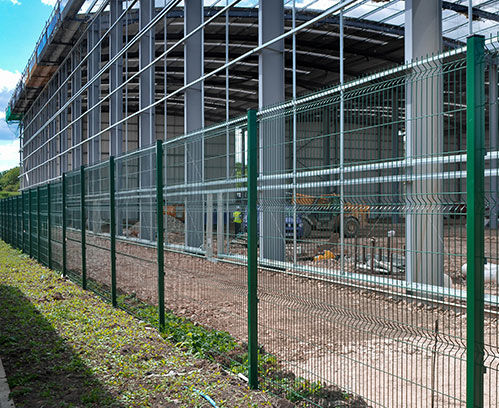
If you manage a site in Surrey, your perimeter is not just a line on a drawing. It is how you protect people, assets and reputation. The right fencing guides visitors, deters opportunists and stands up to weather and wear without constant attention.
This practical guide compares the most common security options for businesses, schools, warehouses and developments in Surrey. You will find clear cost ranges per metre, durability and maintenance notes, anti-tamper features, and compliance pointers. We also cover when temporary fencing or site hoarding is the better call, and how a free site survey shapes designs, drawings and swift turnarounds.
Start with risk, layout and life cycle
Before comparing systems, map the real risks and the site’s daily patterns. Consider vulnerable zones like rear service yards, secluded car parks, plant rooms and substation areas. Factor in visibility, lighting, nearby housing, wildlife corridors and ground conditions. Decide if you need privacy as well as security, and where access points must sit for vehicles and pedestrians. Finally, weigh upfront price against whole-life cost, including maintenance and repairs.
A free site survey pulls these threads together. In Surrey, surveys typically confirm fence lines and heights, post centres, ground conditions, gate sizes and swing/slide clearances, power routes for automation, and any obstructions. You receive a written estimate and, for larger projects, drawings that streamline approvals and installation.
Chain link vs metal palisade vs rigid mesh
Each system has a different balance of cost, speed, and security. Here is how they compare for typical Surrey commercial and education sites.
Chain link fencing
Best for: long boundaries, sports areas, low to medium risk perimeters, pet or wildlife control.
Cost per metre (installed, Surrey guidance): 1.2 to 1.8 m galvanised, £45 to £85; coated systems £60 to £100. Vinyl coating typically adds £10 to £25 per metre over galvanised.
Durability and maintenance: galvanised steel resists corrosion; coated options add protection and blend with landscaping. Periodic tension checks and post inspections keep lines true.
Security profile: flexible but not rigid, so it yields to impact without breaking. Add tensioned top wires or barbed/razor topping where appropriate. Anti-tamper fixings and robust strain posts improve resilience.
Metal palisade fencing
Best for: industrial estates, substations, schools’ service yards, utility plant, higher-risk sites.
Cost per metre: 1.8 to 2.4 m, typically £140 to £220 depending on pale profile and finish.
Durability and maintenance: heavy-gauge, galvanised steel with optional powder coating. Minimal maintenance beyond periodic checks and repainting of coated finishes as needed.
Security profile: anti-climb, high visibility through the fence line, strong resistance to cutting, prying and ramming. Use shear-nut or security-bolt fixings to deter tampering.
Rigid welded mesh systems
Best for: schools, business parks, sports enclosures and retail perimeters where a clean, modern look is wanted with good security.
Cost per metre: commonly sits between chain link and palisade in similar heights. Specific pricing varies with panel style and coating, so use a survey-based quote.
Durability and maintenance: rigid panels fixed to steel posts with security clips; galvanised and coated for longevity. Panels resist sagging and keep lines crisp.
Security profile: good cut resistance and anti-climb properties with the right aperture size. Integrated gates and anti-tamper fixings keep integrity consistent at entry points.
Gates, access control and future upgrades
Your perimeter is only as secure as the gates. Match gate frames, infill and hardware to the fence system, and plan for automation where traffic volume or safeguarding policies require controlled entry.
Manual gates suit low-traffic or secondary entries. Add closers, drop bolts and robust hasp and lock options.
Automated swing or sliding gates improve throughput and reduce tailgating. Common controls include keypads, fobs, intercoms, Automatic Number Plate Recognition (ANPR), and time-scheduled access. Provide safe hold-open zones and vehicle detection loops.
Design for upgrades: run power and data ducts during initial works, add anchor pads for future motors, and specify posts and hinges rated for possible automation loads.
Do electric gates add value to a house? For residential properties, well-specified gates can enhance kerb appeal and perceived security, which may support value. The exact uplift varies by location and buyer priorities. Do you need planning permission for electric gates? In many cases standard-height gates inside the property boundary fall under permitted development, but local rules differ, conservation or listed status can change matters, and highway sightlines are important. Always check with the local planning authority.
How much does it cost to put in an electric gate? Residential automation can range from several thousand pounds for a simple retrofit with swing motors to significantly more for bespoke sliding gates, safety systems and controls. Commercial installations vary widely based on width, duty cycle, safety devices and integration with existing security. A site survey is the only reliable way to set a budget.
Compliance, safety and anti-tamper details
For schools and public access sites, specify finger-safe apertures and anti-climb profiles. Add anti-tamper fixings throughout, not just on end bays, and use shear nuts on palisade rails and gate hardware. Consider British Standards for automated gates and ensure force testing and safety edges are part of commissioning. In residential streets and retail parks, check visibility splays at entrances, and keep fence heights consistent with planning constraints. If in doubt, your installer can flag issues early and liaise with planning where needed.
Costs, contractors and realistic budgets
How much is security fencing per metre in Surrey? Typical installed ranges are:
Chain link, 1.2 to 1.8 m: £45 to £85 galvanised; £60 to £100 coated.
Metal palisade, 1.8 to 2.4 m: £140 to £220.
Closeboard, 1.8 m: £85 to £140 depending on posts and gravel boards.
Horizontal slatted softwood, 1.8 m: £120 to £180.
Cedar batten privacy, 1.8 m: £180 to £260.
How much do fencing contractors charge in the UK? Labour and overheads are baked into per-metre installed prices. Extras like breaking out old concrete (£25 to £60 per post), disposal (£150 to £330 typical garden), gates, staining and challenging ground can shift totals. As a rule, start with the midpoint of the relevant range, multiply by length, then add 10 to 15 percent for contingencies. A free, local survey refines this.
What is the cheapest fence to have installed? For basic boundaries, lap panel fencing is often the most economical. For long commercial runs where privacy is not essential, galvanised chain link typically offers the lowest whole-perimeter cost.
If you need location-specific help, explore services near you in Surrey, including options for fencing in Woking, a trusted Guildford fencing company, and broader fencing Surrey coverage with free site surveys.
Temporary fencing and site hoarding
Use temporary mesh panels or plywood hoarding when you need to secure a site before main works start, to separate the public from construction, or to protect a storm-damaged perimeter until permanent repairs. Hoarding adds privacy and dust control for retail refits and street works. Temporary solutions are quick to deploy and remove, and can be combined with simple gates and lockable access. For urgent risks, you can also request emergency make-safe and short-term barriers while permanent materials are fabricated.
How site surveys shape drawings and schedules
A good survey captures line and level, confirms underground services, checks access widths, and notes tree protection zones. From there, your contractor produces a specification with fence type, height, post centres, concrete depths, gates, hardware and finish. Larger or multi-gate projects benefit from simple plan drawings and elevation sketches. Because materials and cut lists are confirmed early, installers can often complete many projects within 1 to 2 days depending on length and complexity.
Real-world examples and upgrade paths
Industrial estates: metal palisade at 2.4 m with double-leaf vehicle gates, topped with anti-climb features and shear-nut fixings. Add sliding automation on the primary entrance, with manual gates on service lanes.
Schools and sports grounds: rigid mesh at 2.0 to 2.4 m for play areas and Multi Use Games Areas (MUGAs), with finger-safe apertures, keypad-controlled pedestrian gates and controlled vehicle access for deliveries.
Retail service yards: 2.4 m rigid mesh or palisade around back-of-house, chain link for long rear boundaries, and a sliding automatic gate tied to delivery schedules.
Agricultural or estates: higher mesh or chain link to manage deer and livestock, with field gates and discrete access controls.
Plan for the future by laying spare ducts for data and power, leaving pad foundations sized for potential gate motors, and choosing modular fence systems so damaged sections can be swapped without disrupting operations.
Quick FAQ
How much is security fencing per metre? In Surrey, chain link at 1.2 to 1.8 m typically £45 to £85 galvanised, £60 to £100 coated; metal palisade at 1.8 to 2.4 m typically £140 to £220.
How much do fencing contractors charge in the UK? Charges vary by region and specification, and are usually reflected in installed per-metre prices. Site surveys provide accurate totals.
What is the cheapest fence to install? Lap panels are usually the lowest residential cost; long-run chain link is often the most economical secure perimeter for commercial sites where privacy is not required.
Do electric gates add value? They can enhance kerb appeal and perceived security, which may support value, but the uplift varies by property and market.
Do I need planning permission for electric gates? Many standard-height gates set back from the highway are permitted development, but always check local rules, especially in conservation areas or at listed buildings.
How much do electric gates cost to install? Costs range widely based on gate size, material, automation type and safety devices. Expect several thousand pounds for a simple residential setup, with commercial systems varying by duty cycle and controls. A survey-based quote is essential.
Next steps
Choose a system that fits your risk, budget and maintenance appetite, then get a survey to confirm the details. If you are comparing options near Guildford, Woking, Farnham or Bracknell, arrange a free site visit with a local team that designs, installs and maintains everything from chain link to palisade and automated gates. For local advice and fast quotes across Surrey, you can start with experienced Guildford fencing contractors who provide surveys, clear specifications and prompt installations.

